No products in the cart.

IIHF Ice Rink Dimensions Explained (2026/27 Guide)
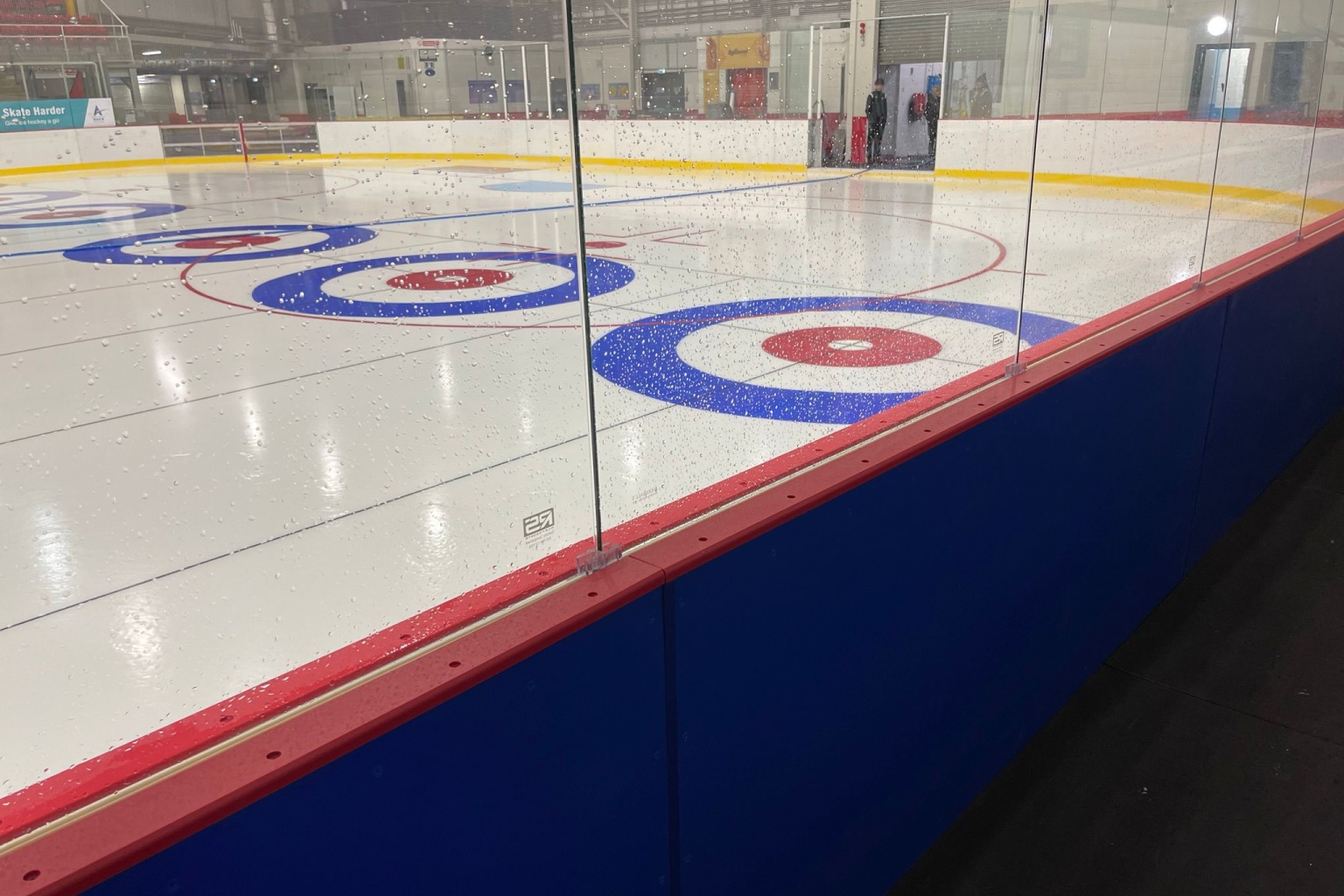
Whether you’re designing a new ice rink, refurbishing an existing facility or simply checking your current layout against the latest standards, understanding IIHF rink dimensions is essential. Accurate markings and measurements help ensure player safety, support fair competition and prepare facilities for tournaments played under IIHF regulations.
This guide provides an overview of the latest IIHF rink layouts, key dimensions and essential ice markings. For the complete technical drawings and measurements, you can download the official infographic guide below.
Standard IIHF Ice Rink Dimensions
The IIHF recognises two standard rink widths, both based on a length of 60 metres. Depending on the facility, rinks may be built to either the traditional 30-metre width or the increasingly common 26-metre format.
Although the playing surface dimensions vary slightly, every rink follows the same fundamental principles, including clearly defined attacking, defending and neutral zones, correctly positioned goal lines and face-off locations.
Maintaining these measurements accurately is essential when constructing a new rink, repainting an existing surface or preparing a venue for competition.
Standard Understanding Ice Rink MarkingsF Ice Rink Dimensions
Every line and marking on an ice rink has a specific purpose. The centre line, blue lines, goal lines and face-off circles work together to define gameplay, determine offsides, icing calls and restart positions throughout a match.
Accurate line placement is particularly important during resurfacing projects or complete ice repaints. Even small measurement errors can affect game play and prevent compliance with recognised standards.
Professional ice painting and routine maintenance help ensure markings remain visible, accurate and consistent throughout the skating season.
Goal Crease Layout
The goal crease is one of the most precisely measured areas on any ice rink. Its dimensions and positioning directly influence goaltender protection, referee decisions and overall game consistency.
During rink refurbishment or repainting projects, careful measurement of the crease, goal line and goalkeeper restricted area helps ensure the finished surface complies with IIHF guidance.
Because these markings experience heavy wear throughout the season, they should be inspected regularly and repainted whenever visibility begins to deteriorate.
Face-Off Circles & Spots
Face-off locations are positioned throughout the neutral zone, end zones and centre ice using precise measurements defined within the IIHF rulebook.
Each circle and spot must be correctly located to ensure games begin and restart consistently. During ice painting or resurfacing work, these measurements should always be checked against the latest IIHF guidance to maintain compliance.
For facilities hosting competitive hockey, accurate face-off markings are just as important as maintaining the overall quality of the skating surface.
Why Accurate Ice Markings Matter
Professional ice markings are about far more than appearance. Correct measurements help officials make accurate decisions, improve player safety and ensure facilities are ready for league matches, tournaments and international competition.
Regular inspection of rink markings also helps identify areas requiring repainting before they become difficult to see or fall outside recommended tolerances.
Whether operating a permanent arena or a seasonal installation, maintaining accurate rink markings demonstrates professionalism and helps deliver the best possible skating experience.
How Marshalls International Can Help
With more than 40 years of experience supporting ice rinks across the UK and internationally, Marshalls International provides far more than equipment supply.
Our team supports facilities with professional ice painting, resurfacing equipment, rink refurbishment, barrier replacement, servicing, technical advice and ongoing maintenance support. Whether you’re constructing a new facility, upgrading an existing rink or preparing for a major competition, we can help ensure your rink is maintained to the highest possible standard.
Download the official IIHF rink dimensions guide below, or contact our team if you’d like expert advice on rink maintenance, equipment or refurbishment projects.
Frequently Asked Questions
What size is an official IIHF ice rink?
The standard IIHF rink measures 60 metres in length and is typically either 30 metres or 26 metres wide, depending on the facility and competition requirements.
How often should ice rink markings be repainted?
Most professional facilities inspect their markings throughout the season and repaint areas whenever visibility begins to reduce or during scheduled maintenance periods.
Why are accurate rink markings important?
Correct markings help ensure player safety, support accurate officiating and keep facilities compliant with recognised IIHF standards.
Can existing ice rinks be repainted to IIHF standards?
Yes. Professional ice painting and refurbishment services can restore or update rink markings to current IIHF guidance.
Can Marshalls International help with rink refurbishment?
Yes. Marshalls International supplies equipment, technical expertise, ice painting support, servicing, barrier systems and refurbishment solutions for permanent and temporary ice rinks worldwide.
by:
admin